- Courses
-
-
-
- 4WD Skill Set
- Agricultural Chemical Distribution Control (ACDC)
- Chainsaw Level 1
- Chainsaw Level 2
- Conduct Backhoe/Loader Operations
- Conduct Lifting Operations
- Conduct Roller Operations
- First Aid and CPR
- Forklift
- Front End Loader
- Licence to Operate a Reach Stacker
- Operate 4WD Vehicle on Unsealed Roads
- Operate and Maintain a 4WD Vehicle
- Breathing Apparatus
- Chief Fire Warden
- Confined Spaces with Gas Test and Permits
- CPR Training
- Crystalline Silica Exposure Prevention (10830NAT)
- Electrical Authorised Persons (1656)
- Elevated Work Platform (EWP) Under 11m
- Elevating Work Platform (EWP) Over 11m
- Excavator Operations
- Fire Warden
- First Aid and CPR
- Identify, Locate and Protect Underground Services
- Licence to Perform Dogging
- Low Voltage Rescue (LVR) and CPR Course
- Operate a High Pressure Water Jetting System
- Remove Non-Friable Asbestos
- Telehandler
- Traffic Control
- Traffic Control/Management (TC1 and TMI1)
- Traffic Management
- Verification of Competency (VOC) for Skill Certification
- White Card
- Work as a Safety Observer/Spotter
- Working at Heights
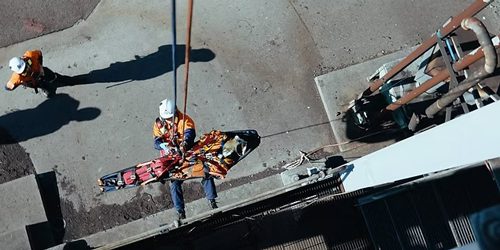
- Heights/Tower Rescue (Including Confined Space Rescue)
- Low Voltage Rescue (LVR) and CPR
- Mining Supervisor Course (S123/G189)
- Operate and Maintain a 4WD Vehicle
- Operate Side by Side Utility Vehicles
- Remote First Aid
- Standard 11
- Telehandler
- Verification of Competency (VOC) for Skill Certification
- Work as a Safety Observer/Spotter
- Working at Heights
- 4WD Skill Set
- Breathing Apparatus
- Confined Spaces with Gas Test and Permits
- Conduct Lifting Operations
- CPR Training
- First Aid and CPR
- Front End Loader
- Gas Test Atmospheres
- Licence to Operate a Reach Stacker
- Load and Unload Goods/Cargo (Load Restraint)
- Low Voltage Rescue (LVR) and CPR
- Operate a Hydro Excavation System
- Agricultural Chemical Distribution Control (ACDC/Chem Cert)
- Chainsaw Level 1
- Chainsaw Level 2
- Chief Fire Warden
- Confined Spaces with Gas Test and Permits
- Electrical Authorised Persons Course (1656)
- Elevating Work Platform (EWP) Under 11m
- Fire Extinguisher
- Fire Warden
- First Aid and CPR
- Forklift
- Gas Test Atmospheres
- Health and Safety Representative - Initial
- Health and Safety Representative - Refresher
- Install Trench Support/Trenching/Shoring
- Manual Handling Training
- Pole Saw
- Silica Awareness
- Traffic Control
- Traffic Control/Management (TC1 and TMI1) Combined
- Traffic Management
- Utilities Temporary Traffic Management (TTM) Worker Accreditation
- Verification of Competency (VOC)
- White Card
- Breathing Apparatus
- Chief Fire Warden
- Confined Spaces with Gas Test and Permits
- CPR Training
- Fire Extinguisher
- Fire Warden
- First Aid and CPR
- Gas Test Atmospheres
- GWO Basic Safety Training (BST) - Initial
- Heights/Tower Rescue (inc. Confined Space Rescue)
- Low Voltage Rescue (LVR) and CPR
- Remote First Aid
- Agricultural Chemical Distribution Control (ACDC/Chem Cert)
- Breathing Apparatus
- Chainsaw Level 1
- Conduct Roller Operations
- Confined Spaces with Gas Test and Permits
- Electrical Authorised Persons Course (1656)
- Elevated Work Platform (EWP) Under 11m
- Fire Extinguisher
- Fire Warden
- First Aid and CPR
- Identify, Locate and Protect Underground Services
- Install Trench Support/Trenching/Shoring
- Manual Handling
- Operate a Drain Cleaning System
- Operate a High Pressure Water Jetting System
- Operate a Hydro Excavation System
- Operate a Vacuum Loading System
- Silica Awareness
- Traffic Control
- Traffic Control/Management (TC1 and TMI1) Combined
- Traffic Management
- Use High Pressure Water Jetting Equipment
- Utilities Temporary Traffic Management (TTM) Worker Accreditation
- Vertical and Confined Space Rescue
- Working at Heights
-
-
-
-
- Agricultural
- 4WD Recovery
- 4WD Skill Set (PMASUP236, RIIVEH305F, RIIVEH201E)
- Apply Low-Risk Car Driving Behaviours
- Chainsaw Level 1
- Chainsaw Level 2
- Chem Cert
- Conduct Roller Operations
- Licence to Operate a Reach Stacker
- Load and Unload Goods/Cargo (Load Restraint)
- Operate 4WD Vehicle on Unsealed Roads
- Pole Saw
- Skid Steer
- Traffic Control / Management (TC1 & TMI1) Combined
- Weed & Seed
- Construction
- 1656 - Intro to Electrical Network Infrastructure for Authorised Persons
- Breathing Apparatus
- Crystalline Silica Exposure Prevention
- Confined Spaces with Gas Test and Permits
- EWP Under 11m
- EWP Over 11m
- First Aid & CPR
- Forklift Licence Training
- Gantry Crane
- Health & Safety Representative
- Health & Safety Representative Refresher
- Licence to Perform Dogging
- Lifting Operations
- Load and Unload
- Low Voltage Rescue
- Operate a Drain Cleaning System (Drain Cleaning Operator)
- Operate a High Pressure Water Jetting System
- Operate a Hydro Excavation System
- Operate a Vacuum Loading System
- Permit Authority
- Permit to Work
- Remove Friable Asbestos
- Remove Non-Friable Asbestos
- Silica Awareness
- Supervise Asbestos Removal
- Traffic Control
- Traffic Control/Management (TC1 & TMI1) Combined Course – Tasmania and Victoria
- Traffic Management
- Trench Support
- Underground Services
- Use High Pressure Water Jetting Equipment
- Vehicle Loading Crane
- Verification of Competency (VOC)
- Working at Heights
- Driving
- 4WD Recovery
- 4WD Skill Set
- Apply Low-Risk Car Driving Behaviours
- Chain of Responsibility Level 1
- Chain of Responsibility Level 2
- Chain Responsibility Level 1 & 2
- Load and Unload Goods/Cargo (Load Restraint)
- Operate 4WD on Unsealed Roads
- Operate and Maintain a 4WD Vehicle (RIIVEH305F)
- Operate Quad Bikes
- Skid Steer
- Side by Side Vehicle
- Trailer Manoeuvring
- Mining
- Carry Out the Risk Management Process (G2)
- Conduct Roller Operations
- Confined Spaces Entry
- First Aid & CPR
- Gas Test Atmospheres
- Heights and Confined Space Rescue
- Low Voltage Rescue (LVR) & CPR Course
- Mining Site Safety Supervisor (MSSS, G189, S123)
- Operate a Drain Cleaning System
- Operate a High Pressure Water Jetting System
- Operate a Hydro Excavation System
- Operate a Vacuum Loading System
- Operate and Maintain a 4WD Vehicle
- Remote First Aid
- Santos Work Permit Procedure/SWPP
- Skid Steer
- Standard 11
- Use a High Pressure Water Jetting Equipment
- Verification of Competency (VOC)
- Working At Heights
- Oil & Gas
- 4WD Skill Set (PMASUP236, RIIVEH305F, RIIVEH201E)
- Breathing Apparatus
- Conduct Lifting Operations
- Conduct Roller Operations
- Confined Spaces Entry with Gas Test and Permits
- Confined Space Entry with Breathing Apparatus
- CPR Training
- First Aid & CPR
- Gas Test Atmospheres
- Heights & Confined Space Rescue
- Licence to Operate a Reach Stacker (Greater than 3 Tonnes Capacity)
- Load and Unload Goods / Cargo (Load Restraint)
- Low Voltage Rescue (LVR) & CPR
- Operate a Drain Cleaning System (Drain Cleaning Operator)
- Operate a High Pressure Water Jetting System
- Operate a Hydro Excavation System
- Operate a Vacuum Loading System
- Operate and Maintain a 4WD Vehicle
- Permit Authority
- Permit to Work
- Remote First Aid
- Rig Ready
- Santos Work Permit Procedure/SWPP
- Skid Steer
- Use High Pressure Water Jetting Equipment
- Working at Heights
- Utilities
- 1656 (previously T0911) – Electrical Authorised Persons Course
- Breathing Apparatus
- Conduct Roller Operations
- Confined Spaces with Gas Test Permits
- Crystalline Silica Exposure Prevention
- EWP Under 11m
- EWP Over 11m
- First Aid & CPR
- Forklift Licence Training
- Health & Safety Representative & Refresher
- Heights & Confined Space Rescue
- Load and Unload Goods / Cargo (Load Restraint)
- Manual Handling
- Operate a Drain Cleaning System
- Operate a High Pressure Water Jetting System
- Operate a Hydro Excavation System
- Operate a Vacuum Loading System
- Skid Steer
- Spotter/T0911
- Supervise Asbestos Removal
- Traffic Control
- Traffic Management
- Traffic Control/Management (TC1 & TMI1) Combined
- Trench Support
- Underground Services
- Use High Pressure Water Jetting Equipment
- Verification of Competency (VOC)
- Agricultural
-
-
-
- Public Services (Council)
- ACDC
- Breathing Apparatus
- Chainsaw Level 1
- Chainsaw Level 2
- Conduct Roller Operations
- Confined Spaces with Gas Test and Permits
- Crystalline Silica Exposure Prevention
- EWP under 11m
- EWP over 11m
- First Aid & CPR
- Forklift Licence Training
- Health & Safety
- Health & Safety Representative Refresher
- Load and Unload Goods/Cargo (Load Restraint)
- Manual Handling
- Operate a Drain Cleaning System (Drain Cleaning Operator)
- Operate a High Pressure Water Jetting System
- Operate a Hydro Excavation System
- Operate a Vacuum Loading System
- Pole Saw
- 1656 - Intro to Electrical Network Infrastructure for Authorised Persons
- Skid Steer
- Traffic Control
- Traffic Management
- Traffic Control / Management (TC1 & TMI1) Combined Course – Tasmania and Victoria
- Trench Support
- Use High Pressure Water Jetting Equipment
- Verification of Competency (VOC)
- Public Services (Council)
-
-
- Services
- Funded Courses
- Equipment
- Locations
- About
- Contact