

Book a course
This essential course is tailored for those in operational roles where working at heights is a necessity. Our program covers crucial skills aligned with industry standards, workplace health and safety regulations, and Australian guidelines. From risk management to equipment usage and rescue procedures, we provide in-depth training for safe and competent work at heights. Join us to gain the expertise needed to ensure workplace safety and compliance.
Can't see a date or location that suits? We can schedule one. Request a session here.
Trusted by Australian industry
303 Google reviews
every year
clients
business
Course details
This unit is designed for those who work in operational roles that involve performing tasks at heights, such as those in construction, maintenance, mining, emergency services, and infrastructure industries. The course aims to provide the participants with the essential skills and knowledge to work safely at heights in accordance with industry standards, workplace health and safety, and Australian standards. This careers training course covers:
- Statistics
- Legislation and company procedures
- Risk Management
- Definitions and types working at height activities
- Equipment selection and correct use
- Anchor systems (including selecting anchorage)
- Fall restraint systems
- Fall arrest systems
- Work positioning systems
- Correct use of ladders and ladder safety training
- Rescue equipment and procedures
- Industry case studies
The course consists of both theoretical and practical training components. Participants will be assessed on their knowledge and performance through written and oral tests, demonstrations, and observations. Upon successful completion of the course, participants will receive a statement of attainment that is nationally recognised and valid for three years.
Course name
Working At Heights
Duration
1 day face to face
Cost
From $250 per person
varies by location, exact price in the table above
Course code
RIIWHS204E – Work safely at heights
On-site & Group bookings
Available on request
More courses, More often
In all our locations!
Target audience
This course is recommended for people working in or who will be working in operational roles whom are undertaking a role which requires them to perform work at heights. The core groups / target clients for this unit are existing workers.
Outcomes
Students who are deemed competent will receive a Statement of Attainment recognised under the Australian Qualifications Framework. This certification is nationally recognised. The Statement is issued by Link Resources Training Pty Ltd (RTO 45483).
Course delivery
Face to face training and assessment is conducted at one of Link Resources purpose built training facilities. Upon arrangement, training and assessment can be conducted on-site at the premises of industry clients providing there a suitable infrastructure and industry training facilities.
Sunshine Coast →
8 Technology Drive, Warana QLD 4575
Brisbane →
18/229 Junction Road, Cannon Hill QLD 4170
Moreton Bay →
Neilson Road, Kurwongbah QLD 4503
Adelaide →
414B Churchill Road, Kilburn SA 5084
Devonport →
14 Loone Ln, Spreyton TAS 7310
Launceston →
55 Oakden Road, Prospect TAS 7250
Melbourne →
24/94 Keys Road, Cheltenham VIC 3192
Gippsland →
48A Standing Drive, Traralgon East VIC 3844

Entry requirements
All students must be literate in the English Language (no interpreters allowed).
Due to the physical performance requirements of this unit, all students are to have a reasonable level of mental and physical fitness.
People with back, leg, arm or joint injuries may find it difficult to climb / access the practical area and perform activities at height. (Please note that students must be physically capable of wearing a harness and climbing for significant periods of time).
At enquiry, students can enter the program by expressing an interest and being sent an information pack that contains a booking notification and course information (Course Brochure). This interest process enables the RTO and client to work together to ensure the course is suitable for them and to identify any additional support needs & make adequate provisions.
No pre-requisites exist for this Unit of Competency.
Payment Options
Please see the Link Resources Payments, Cancellations and Refund Policy below in Student Information for all details on Payments for your course.
Payment can be made via direct bank transfer, eftpos, cash or cheque. For billing information including who to write a cheque to, please emailaccounts@link-resources.com.auor call(07) 5491 2144
Pathways
Training & Education Pathways: After achieving this unit of competency, students may undertake a range of associated resources and infrastructure units and attain qualifications.
Employment Pathways: After achieving this unit of competency, students may seek employment in civil, construction, resources, manufacturing, utilities and maintenance industries.
Booking process
Select a course you would like to book into from the dates/locations provided above.
Complete the online enrolment form including payment information.
Once you have been confirmed in a course, you’ll receive an ‘Booking Confirmation’ email. This email contains all the information you require for your course.
Course completion – After successfully completing the training course, you will be issues with either a Statement of Attainment or Attendance Certificate (please allow 1-3 business days for this to be issued).
For more details – contact us today.
CITB Funding Available
South Australian workers in the building and construction industry may be eligible for CITB funding for this course.
CITB (Construction Industry Training Board) is a whole-of-industry led organisation that provides support to attract, train and retain South Australian building and construction workers through leadership in training and skills development. CITB funding is available for this course, which may reduce the cost of training for eligible workers and their employers
Working at Heights Course Highlights
- Learn how to identify and assess the risks and hazards of working at heights and implement appropriate control measures.
- Gain practical skills in using various types of equipment and systems for working at heights, such as ladders, scaffolds, elevated work platforms, personal fall protection equipment and more.
- Understand the relevant legislation, standards, and codes of practice for working at heights and comply with your duties and responsibilities as a worker or employer.
- Receive hands-on training from experienced and qualified trainers who will guide you through realistic scenarios and exercises.
- Earn a nationally recognised statement of attainment that is valid for three years and demonstrates your competence in working at heights.
- Enjoy flexible and convenient training options, such as online, face-to-face, or blended learning, to suit your needs and preferences.
- Experience high-quality face-to-face training and assessment at one of Link Resources ‘ built training facilities on the Sunshine Coast, in Brisbane, Adelaide and Tasmania.
Why Choose Link Resources to Conduct a Working at Heights Course

Registered Training Organisation
Link Resources is a Nationally Recognised Training Organisation trusted by industry professionals and recognised by Work Safe Queensland. Our courses are designed to achieve accreditation so you can begin work on-site quickly and safely.

Hands-On Training Approach
Our training is customised to your company or industry. We can bring our resources to your location, or you can choose to send your team to our facilities. Either way, we relieve you of stress and provide relevant, engaging, and effective training that builds competence and confidence for all participants.

Experienced Trainers
Our qualified trainers and real-world facilities provide high-quality training so you can confidently develop your skills, work safely, and successfully follow regulations.

Industry Compliance
Our courses meet and exceed industry standards, ensuring compliance and readiness for professional requirements. Our working at heights course is recognised and designed to ensure the safety of employees working at elevated levels.

CITB funding available for eligible SA workers
South Australian workers in the building and construction industry may be eligible for CITB funding for this course, significantly reducing the cost of training. Call us to confirm eligibility before booking.

Nationally Recognised Qualification
On successful completion you’ll receive RIIWHS204E – Work Safely at Heights, a nationally recognised unit of competency valid for three years across Australia.
Need something different? Call us on 07 5491 2144
Our locations
Link Resources has purpose-built training facilities all across Australia to meet your specific training requirements.

Sunshine Coast
8 Technology Drive, Warana QLD 4575

Brisbane
18/229 Junction Road, Cannon Hill QLD 4170
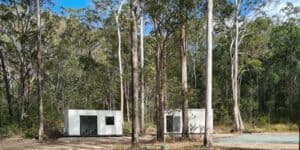
Moreton Bay
Neilson Road, Kurwongbah QLD 4503
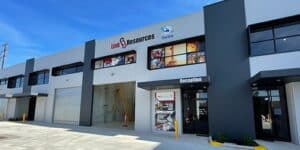
Adelaide
414B Churchill Road, Kilburn SA 5084
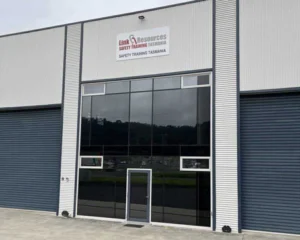
Devonport
14 Loone Ln, Spreyton TAS 7310
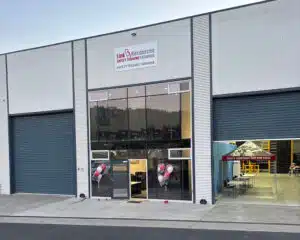
Launceston
55 Oakden Road, Prospect TAS 7250
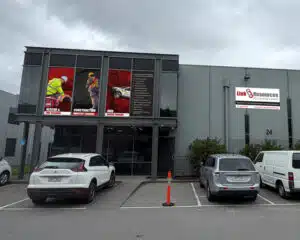
Melbourne
24/94 Keys Road, Cheltenham VIC 3192
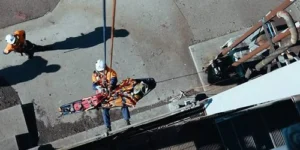
Gippsland
48A Standing Drive, Traralgon East VIC 3844
FAQs
Yes, if your role involves any risk of falling from one level to another, whether that’s a roof, ladder, elevated platform or into a lower level such as a pit, formal training is required under Australian WHS laws. Employers have a legal duty to ensure workers are trained and competent before performing tasks at height, and on most construction sites, a current Working at Heights qualification is a condition of site access.
The training requirement applies regardless of how experienced a worker is or how routine the task feels. Falls remain one of the leading causes of serious injury and fatality on Australian worksites, and many incidents happen during short, familiar jobs where the risk was underestimated rather than during unusual or high-risk work.
The nationally recognised standard for this training is RIIWHS204E – Work Safely at Heights, delivered face to face over one day. It covers risk assessment, correct use of fall protection systems, ladder safety and emergency procedures, and results in a Statement of Attainment valid for three years. If your work involves height related tasks in construction, maintenance, mining, utilities or infrastructure, this training should be arranged before that work begins.
When working at heights, some of the primary hazards include falls, falling objects, structural collapses, and hazardous weather conditions. It is essential to implement risk control measures to prevent falls and to use appropriate safety equipment to effectively address these hazards.
Risk assessment is a vital step in ensuring safety at heights. Start by identifying potential hazards specific to your work area. Evaluate the likelihood and severity of each hazard and determine suitable control measures. Consider factors such as the stability of structures, the presence of guardrails or handrails, and the condition of ladders or scaffolds.
- Personal Protective Equipment (PPE): Harnesses, helmets, and non-slip footwear.
- Fall arrest systems: Safety harnesses connected to secure anchor points.
- Guardrails and handrails: Used to prevent falls from edges or elevated surfaces.
- Ladders and scaffolding: Ensure they are in good condition and used correctly.
- Choose the right ladder for the job, considering height and weight capacity.
- Inspect the ladder for any damage or defects before use.
- Set up the ladder on a stable surface and secure it to prevent slipping.
- Maintain three points of contact when climbing (two hands and one foot, or two feet and one hand).
- Never overreach or stand on the top step of the ladder.
In Australia, the specific training and qualifications required for working at heights can vary slightly depending on the state or territory. Link Resources training programs aligned with RIIWHS204E – Work safely at heights. This training typically covers hazard identification, risk assessment, fall prevention techniques, and the proper use of safety equipment. Certification or licenses may be issued upon successful completion of the training.
Under Australian WHS laws, any task with a risk of a fall that could cause injury must be managed, regardless of height. In practice, a fall risk of 2 metres or more on a construction site is treated as high-risk construction work, which triggers stricter requirements, including a Safe Work Method Statement (SWMS) that must be in place before work begins.
Below 2 metres, the legal duty doesn’t disappear. Employers and workers still need to identify hazards, assess risk and apply appropriate controls, even for shorter falls from ladders, platforms or into excavations.
WHS regulations require fall risks to be managed using a hierarchy of controls. Fall prevention devices such as guardrails and scaffolding are the first option and remove the risk entirely. Where that isn’t practical, work positioning systems support workers at height. Fall arrest systems, including harnesses and safety nets, are used where the other controls can’t fully remove the risk, and reduce the severity of injury if a fall does occur.
Meeting these requirements starts with proper training. RIIWHS204E – Work Safely at Heights covers hazard identification, risk assessment and the correct use of fall protection systems, giving workers and supervisors the knowledge to apply the hierarchy of controls correctly on site.
Sometimes, but it depends on the task, not personal preference. There’s no dedicated ladder licence in Australia, but ladder use is still governed by WHS legislation relating to fall risk. Employers have a duty to manage that risk, provide suitable equipment and ensure workers are trained and competent, and the Australian Standard AS 1892 sets out requirements for safe ladder use.
Ladders are designed for short-duration, lower-risk tasks. SafeWork guidance is clear that ladders should not be used in place of more secure access systems, such as scaffolding, platforms or elevated work platforms, when those safer options are reasonably available for the job.
The right choice comes down to a proper risk assessment of the specific task: how long the work will take, whether it requires two hands, what the ground conditions are like, and what could happen if a fall occurred. For longer or higher-risk jobs, a more secure system is usually the safer, compliant option.
Working at Heights training covers this decision-making directly, giving workers the knowledge to select the right equipment and apply the correct controls for the task in front of them, rather than defaulting to whatever’s on hand.
This course and all related training and assessment services are delivered by Link Resources Training Pty Ltd (RTO Provider Number 45483).
Student Handbook Payments, Cancellations & Refund Policy Complaints or Appeals Policy
Level up with the experts in industry training
Link Resources is the team helping you fill the gap in your qualifications or services.