

Book a course
From atmospheric gas testing and hazard controls to permit procedures and emergency response planning, our Brisbane confined spaces course gives workers the practical skills and nationally recognised certification required to safely enter and work in confined spaces.
Contact our team today to secure a training date or arrange group training at our Cannon Hill facility.
Not the date you need? See all dates and locations for Confined Spaces with Gas Test and Permits
Can't see a date or location that suits? We can schedule one. Request a session here.
Trusted by Australian industry
303 Google reviews
every year
clients
business
Course details
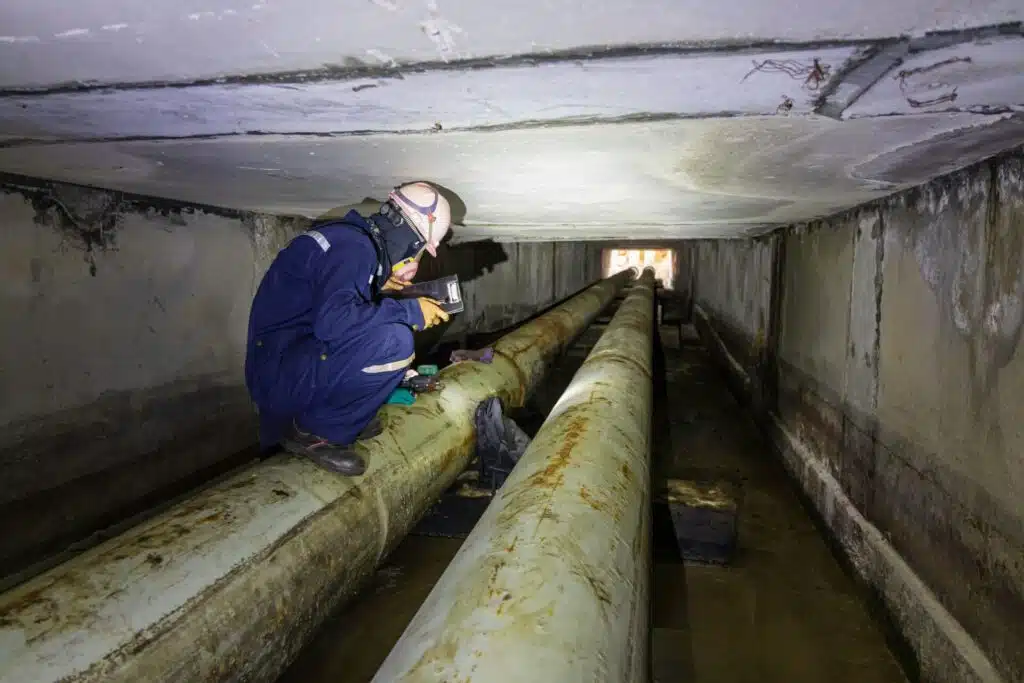
Queensland’s mining services, civil construction, and utilities sectors regularly place workers in confined spaces, from underground service pits and stormwater infrastructure to industrial tanks, process vessels, and enclosed plant rooms. Under the Work Health and Safety Regulation 2011 (Qld), workers must be trained before they enter a confined space, and every entry must be authorised by a written entry permit.
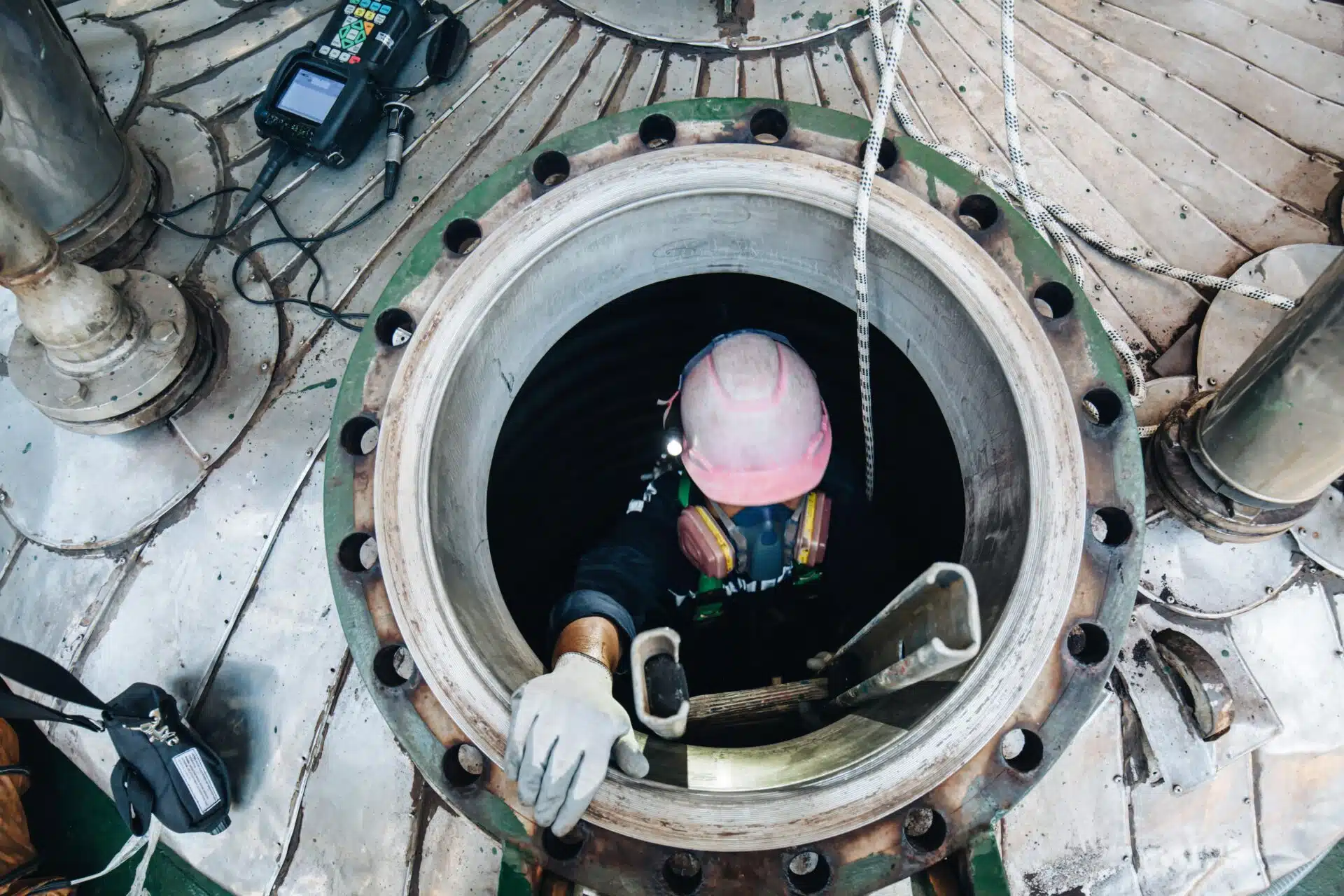
Delivered from our Cannon Hill training facility in Brisbane, Link Resources’ confined spaces course gives workers the practical skills and nationally recognised certification required to safely enter and work in confined spaces. Across one day of face-to-face training, participants complete all four units of competency while covering gas testing, atmospheric monitoring, hazard controls, permit procedures and emergency response planning. Training is aligned with Queensland WHS legislation and Australian Standard AS2865.
Course name
Confined Spaces Training Brisbane
Duration
1 day face-to-face
Cost
From $275 per person
varies by location, exact price in the table above
Course code
RIIWHS202E – Enter and work in confined spaces
MSMWHS217 – Gas test atmospheres
MSMPER205 – Enter confined space
MSMPER200 – Work in accordance with an issued permit
On-site & Group bookings
Available on request
Target audience
This confined spaces course is required for workers who enter, work in, or supervise confined space activities across Brisbane and wider Queensland. That includes:
- Mining services and resources workers entering tanks, vessels and below-ground infrastructure at Queensland operations
- Civil construction workers entering stormwater systems, tunnels, underground service pits and culverts on Brisbane and regional Queensland projects
- Water and wastewater treatment operators entering chambers, pump stations and process vessels
- Utilities crews working in gas, electricity and telecommunications infrastructure below ground
- Industrial maintenance workers in manufacturing and processing facilities across South East Queensland
If your role requires you to enter or work in any space that is not designed for continuous human occupation, is at risk of atmospheric hazard, or has restricted means of entry and exit, this course provides the skills and certification required to do so safely and in line with current Queensland regulations. Many Brisbane employers book this alongsideWorking at Heights trainingfor teams working across both height and confined space tasks.
Course delivery
Link Resources Brisbane 18/229 Junction Road, Cannon Hill QLD 4170
Our Cannon Hill facility is approximately 10 km from the Brisbane CBD, with easy access from the Gateway Motorway and Wynnum Road. On-site parking is available.
What to bring:
- Long pants with reflective stripes
- Long-sleeved high-visibility shirt with reflective stripes
- Hard hat with brim
- Steel-capped safety boots
- Gloves
- Safety glasses
- Sunscreen
- Photo ID
Sunshine Coast →
8 Technology Drive, Warana QLD 4575
Brisbane
18/229 Junction Road, Cannon Hill QLD 4170
Moreton Bay →
Neilson Road, Kurwongbah QLD 4503
Adelaide →
414B Churchill Road, Kilburn SA 5084
Devonport →
14 Loone Ln, Spreyton TAS 7310
Launceston →
55 Oakden Road, Prospect TAS 7250
Melbourne →
24/94 Keys Road, Cheltenham VIC 3192
Gippsland →
48A Standing Drive, Traralgon East VIC 3844
Entry requirements
Entry into the confined spaces course requires:
- Literacy in the English language
- Basic physical fitness to work safely in confined spaces
- Ability to use PPE correctly, including breathing apparatus if required
There are no academic prerequisites. If you have special needs, individual training support can be arranged to help meet the learning outcomes and course requirements.
Participants should be prepared to engage in practical exercises involving gas testing, hazard identification, and confined space work practices.
If the participant is under 18, a parent or guardian must sign the enrolment form on behalf of the student.
Payment Options
Payment can be made via direct bank transfer, EFTPOS, cash or cheque. For billing information, please emailaccounts@link-resources.com.auor call(07) 5491 2144. Please see the Link Resources Payments, Cancellations and Refund Policy for full details.
What You'll Learn
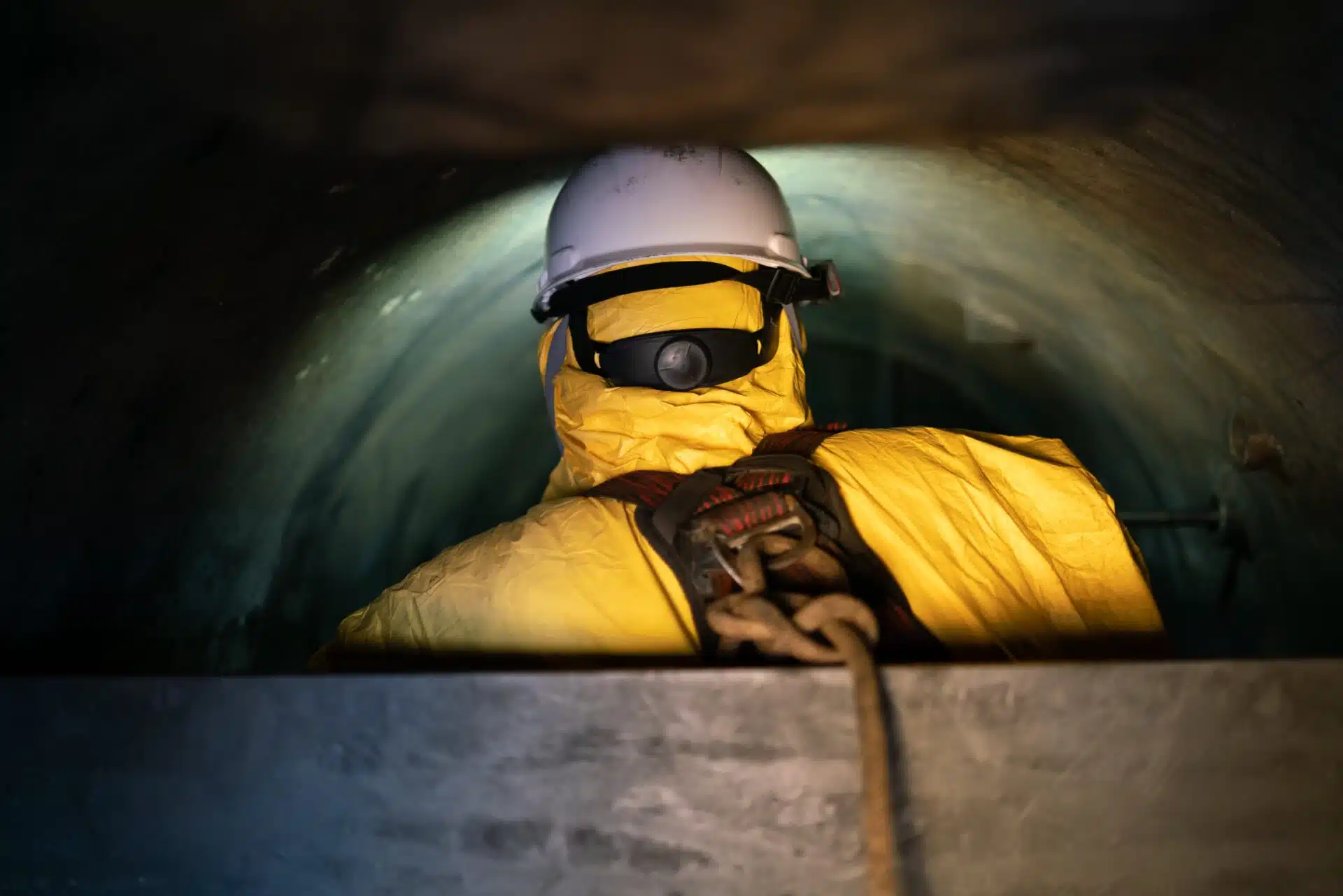
This confined space entry training course covers everything from initial classification and hazard assessment through to atmospheric testing, permit procedures, and emergency response, with practical scenarios drawn from Queensland’s civil construction, mining services, and utilities sectors.
Topics covered include:
- Applicable legislation and workplace procedures, including the Work Health and Safety Regulation 2011 (Qld) and AS2865
- Identifying, defining, and classifying confined spaces, from underground service pits and stormwater infrastructure to industrial tanks, process vessels, and enclosed plant rooms
- Hazard identification and risk assessment for atmospheric, physical, and engulfment hazards common in Queensland civil and resources environments
- Atmospheric monitoring and gas testing, covering equipment use, readings interpretation, and alarm response protocols, including hydrogen sulphide and methane in stormwater and sewage systems
- Isolation, lockout/tagout, and ventilation procedures for civil construction and utilities infrastructure
- Permit-to-work systems and documentation in line with AS2865 and SafeWork Queensland requirements
- Entry team roles, responsibilities, and communication: authorised entrant, standby person, and entry supervisor
- Emergency procedures and rescue coordination, including non-entry rescue procedures
- Practical scenarios from mining services, civil construction, stormwater infrastructure, and utilities environments
Assessment combines written and practical components, both assessed against national competency standards. Successful completion results in nationally recognised certification required for confined space entry work.
Why Choose Link Resources

Purpose-built Brisbane training facility
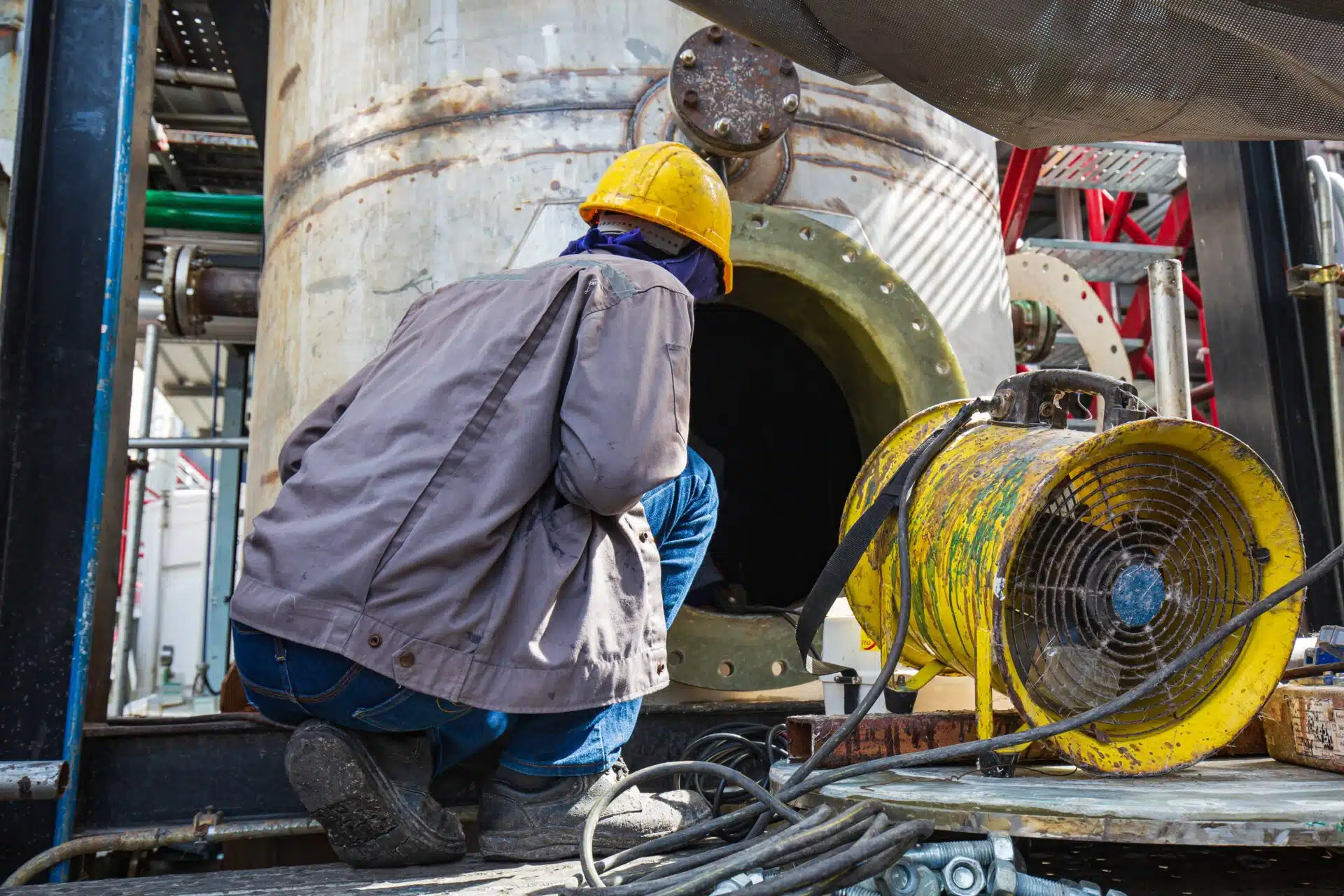
Our Cannon Hill centre is equipped with dedicated confined space training areas and atmospheric monitoring equipment. Participants work through practical exercises in a controlled, safe environment using industry-standard equipment.

Nationally recognised training
As a registered training organisation, the units completed in this course are nationally recognised and accepted across every Australian state and territory, giving you qualifications that stay with you wherever work takes you.

Trainers with real industry backgrounds
Our trainers come from construction, mining services, utilities, emergency services, and civil infrastructure industries, so they have worked in the environments they teach about. Expect plain language, industry-relevant scenarios, and a focus on what is required when you are on site.

Practical training built around real work
Every element of this course is designed to be applied on the job. From running gas tests to completing permit paperwork and executing safe entry procedures, you will leave with skills you can use immediately.

Flexible delivery to suit your team
Join a session at our Cannon Hill facility, or talk to us about bringing the training to your site.On-site deliveryis a practical option for businesses wanting to minimise disruption and keep their team training together.

Relied on by businesses across Brisbane and Queensland
From civil construction contractors to mining services companies and utilities providers, organisations across Brisbane and Queensland choose Link Resources because our training is consistent, compliant, and built around what workers require in the field.
Need something different? Call us on 07 5491 2144
Our locations
Link Resources has purpose-built training facilities all across Australia to meet your specific training requirements.
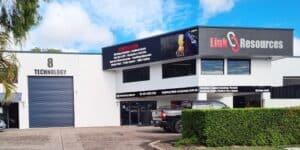
Sunshine Coast
8 Technology Drive, Warana QLD 4575
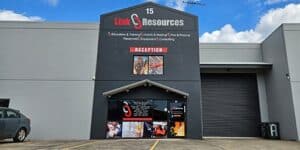
Brisbane
18/229 Junction Road, Cannon Hill QLD 4170
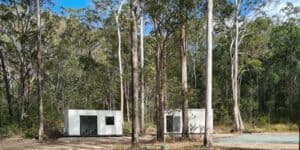
Moreton Bay
Neilson Road, Kurwongbah QLD 4503
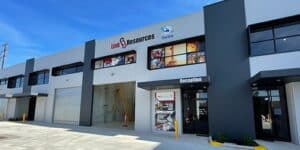
Adelaide
414B Churchill Road, Kilburn SA 5084
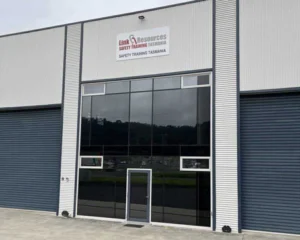
Devonport
14 Loone Ln, Spreyton TAS 7310
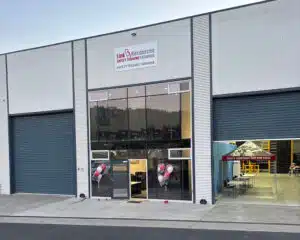
Launceston
55 Oakden Road, Prospect TAS 7250
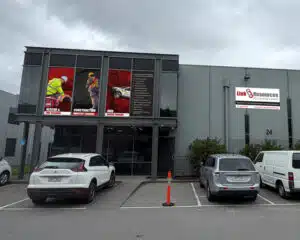
Melbourne
24/94 Keys Road, Cheltenham VIC 3192
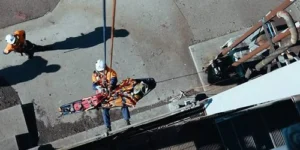
Gippsland
48A Standing Drive, Traralgon East VIC 3844
FAQS
While the nationally recognised units do not technically expire, many employers, principal contractors, and site operators require workers to complete refresher training every two to three years to stay current with procedures, legislation, and site expectations.
Confined spaces can include tanks, pits, tunnels, silos, pipelines, stormwater drains, pump stations, vaults, and enclosed plant areas. These spaces are generally not designed for continuous occupancy and may contain hazardous atmospheres or have restricted entry and exit points.
That is completely fine. The course is designed to cover both the theory and practical use of atmospheric monitoring equipment, including how to test for hazardous gases and interpret readings before entering a confined space.
SafeWork Queensland requires a documented entry permit before any worker enters a confined space. The permit must specify the hazards identified, the controls in place, the atmospheric test results, and the names of the authorised entrants and standby person. This course includes MSMPER200 and MSMPER205, covering both permit issuing and operating under permit conditions in line with the Work Health and Safety Regulation 2011 (Qld) and AS2865.
Confined spaces carry risks that aren’t always present in normal work areas, including toxic or flammable atmospheres, oxygen deficiency, engulfment, and limited ways to get in or out in an emergency. These hazards have to be identified and controlled before anyone enters. Read our full breakdown of confined space hazards and how to manage them for the specific controls and training requirements.
Yes — “confined space ticket” is the term many workers use for this qualification. On successful completion, you’ll receive a nationally recognised Statement of Attainment covering RIIWHS202E – Enter and work in confined spaces, MSMWHS217 – Gas test atmospheres, MSMPER205 – Enter confined space, and MSMPER200 – Work in accordance with an issued permit.
This course and all related training and assessment services are delivered by Link Resources Training Pty Ltd (RTO Provider Number 45483).
Student Handbook Payments, Cancellations & Refund Policy Complaints or Appeals Policy
Book Your Brisbane Course
$275 per person 1 day, face-to-face
Nationally recognised Statement of Attainment