
Key takeaways
- Confined space environments can contain multiple hazards at once, including toxic gases, oxygen deficiency, structural risks, and engulfment hazards that may not be immediately visible.
- Atmospheric monitoring is essential, as many confined space dangers cannot be detected using sight or smell and require calibrated gas testing equipment.
- Following permit systems, risk assessments, and established procedures helps protect workers and reduce the likelihood of serious incidents on site.
- Proper training helps teams identify risks, monitor conditions, and carry out confined space work safely.
Inside the risks of confined space environments
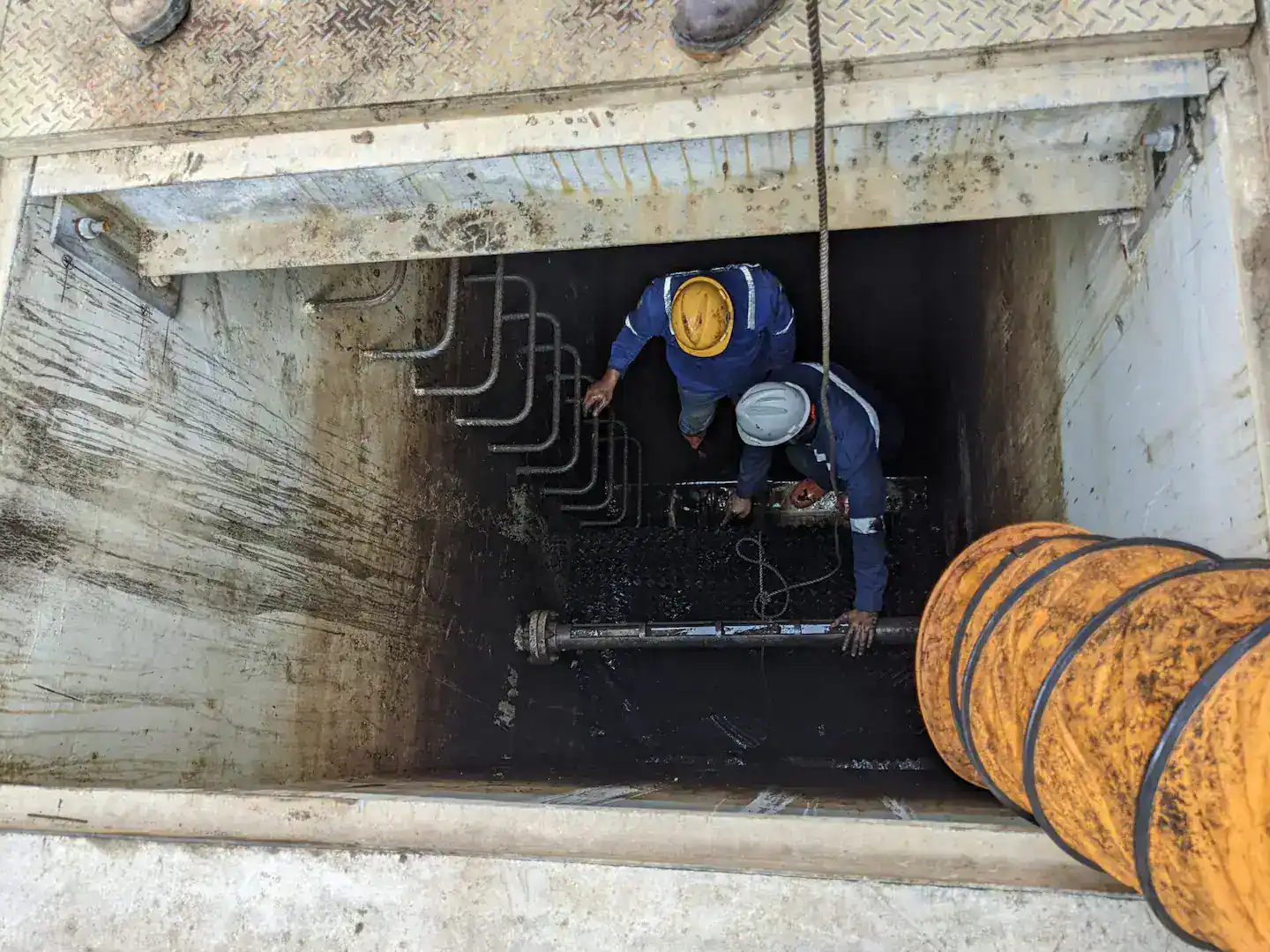
Confined spaces are common across workplaces in construction, utilities, manufacturing, agriculture, and water infrastructure, yet they were never designed as places where people carry out regular work. Even so, inspections, repairs, and routine maintenance often require workers to enter these spaces, and once inside, they are exposed to several types of danger at once.
Toxic gases can build up without warning, oxygen levels may drop, and materials like grain or liquids can shift suddenly underfoot. Entry points are often narrow as well, which can make movement difficult and rescue far more complicated if something goes wrong. The challenge is that many of these hazards cannot be seen or smelled, so relying on instinct alone simply isn’t enough.
This is why workers need a clear understanding of how confined spaces behave and how quickly conditions can change once work gets underway, which is also why structured training and practical safety procedures are such an important part of confined space work.
What is a confined space?
A confined space is generally defined as an enclosed or partially enclosed space that is not designed for people to occupy on a regular basis, but may still require entry for tasks such as inspection, maintenance, cleaning, or repairs. Under Safe Work Australia regulations, a space is considered confined when it presents risks linked to oxygen deficiency, airborne contaminants, flammable atmospheres, or the possibility of engulfment by materials such as liquids or grain.
These environments appear in many industries and can take a range of forms. Common examples include storage tanks, pipelines, silos, pits, ducts, pressure vessels, and underground sewer systems. While some of these spaces may seem harmless from the outside, the conditions inside can change quickly depending on the work being carried out, the materials present, and how well the space is ventilated.
Because of these risks, confined space work is controlled through a formal permit system. Before anyone enters a confined space, a confined space entry permit must be issued by a competent person. The permit sets out who is authorised to enter, how long the work will take, and the safety controls identified through the risk assessment. It also acts as a written record that the job has been completed and that all workers have exited the space safely.

The four most common hazards in confined spaces
Atmospheric hazards
Atmospheric hazards are widely recognised as the most serious risk in confined spaces. These occur when the air inside the space contains harmful gases, vapours, or unsafe oxygen levels.
Common sources include:
- hydrogen sulphide building up in sewer systems
- methane accumulating in tanks or pits
- carbon monoxide entering from nearby engines or equipment
- fumes released during welding, painting, or cleaning work
Oxygen deficiency, poor ventilation, and toxic gases are also the most common causes of death in confined space incidents, particularly when workers enter without proper atmospheric testing.
Physical hazards
Physical hazards are linked to the structure and layout of the confined space.
Examples include:
- restricted entry or exit points that make rescue difficult
- unstable surfaces or shifting materials such as grain
- poor lighting and limited visibility
- extreme heat or cold inside enclosed environments
A common example often discussed in training is grain silos. As grain is emptied from below, a solid-looking crust can form on the surface. When a worker steps onto it, the layer may collapse unexpectedly, pulling the person down into the grain and creating a serious engulfment risk.
Chemical hazards
Chemical hazards arise when substances stored in the space, or introduced during maintenance work, release harmful airborne contaminants such as fumes or vapour into the air.
This may occur when:
- residues in tanks or vessels evaporate into gases
- solvents, paints, or cleaning chemicals release vapours
- welding or cutting generates airborne contaminants
Biological hazards
Biological hazards are common in confined spaces containing organic material.
These environments may contain:
- bacteria and microorganisms in sewers or wastewater systems
- mould or fungal growth in damp environments
- organic decomposition in manure pits or grain storage areas
Exposure to these conditions can lead to respiratory illness, skin irritation, or other health effects.

Critical atmospheric hazards and safe levels
Gases and oxygen levels
Atmospheric conditions are among the first things assessed before entering a confined space, as changes in air quality can occur quickly and may not always be detected without monitoring equipment. For this reason, atmospheric testing and monitoring are routine parts of confined space safety procedures.
Most gas detectors used on worksites monitor four common gases frequently found in confined environments:
- Oxygen (O₂) – measures the amount of oxygen present in the air
- Hydrogen sulphide (H₂S) – a toxic gas often found in sewer systems or where organic material decomposes
- Methane (CH₄) – a flammable gas that may accumulate in tanks, pits, or underground spaces
- Carbon monoxide (CO) – a poisonous gas commonly produced by engines or nearby equipment
Air normally contains about 21% oxygen, with safe working levels typically between 19.5% and 23.5%. Oxygen levels below this range can lead to dizziness, confusion, or loss of consciousness, while higher concentrations increase the risk of fire or explosion.
Atmospheric testing must be carried out using a correctly calibrated gas detector by a competent person, and workers should never rely on smell or instinct to determine if the air is safe. Testing is usually conducted from outside the space using probes or portable monitors, checking multiple levels because some gases settle near the bottom while others collect higher in the space.
Another important reading is the Lower Explosive Limit (LEL), which indicates the concentration of flammable gases in the air. In most confined space procedures, readings should remain below 5% of the LEL before work begins.
Temperature concerns
Temperature can also affect conditions inside confined spaces. Enclosed environments may trap heat, especially when equipment is running or work such as welding is underway. For this reason, atmospheric monitoring often continues throughout the task, allowing workers to detect changes early and respond before conditions become unsafe.
Understanding the health and safety risks and best practices
Working in confined spaces requires more than simply identifying hazards; it involves applying clear procedures that reduce risk before entry and throughout the task. One of the primary dangers in enclosed environments is asphyxiation or toxic exposure, particularly when atmospheric conditions change during work activities. In other situations, workers may face entrapment or engulfment, where materials or structural conditions prevent safe movement or escape.
The greatest hazard in confined spaces often arises when multiple risks develop at the same time. For example, maintenance work inside a tank may introduce fumes while heat builds up and ventilation becomes limited, creating a rapidly changing environment that can affect workers without warning.
Best practice guidance from Australian WHS resources recommends several key controls before work begins:
- conducting a thorough risk assessment
- wearing appropriate personal protective equipment
- isolating equipment connected to the space
- establishing a standby person and clear communication
- preparing rescue equipment and emergency response procedures
In training environments, these procedures are practised using realistic scenarios so workers understand how quickly conditions can change and how proper preparation supports safer outcomes on site.

Confined space training and compliance
Working safely in confined spaces relies on workers having the knowledge and practical skills to recognise hazards, understand permit systems, and apply the correct control measures. Australian WHS guidance states that anyone involved in confined space work, including those entering the space, issuing permits, monitoring conditions, or acting as a standby person, must receive appropriate training.
At Link Resources, confined space training focuses on practical, real-world scenarios that reflect the conditions workers encounter on site. The Confined Spaces with Gas Test and Permits course covers nationally recognised units, including:
- RIIWHS202E – Enter and work in confined spaces
- MSMWHS217 – Gas test atmospheres
- MSMPER205 – Enter confined space
- MSMPER200 – Work in accordance with an issued permit
Through hands-on training, participants learn how to identify hazards, conduct gas testing, follow entry permit procedures, and respond to emergencies while meeting national safety and compliance standards.
Prepare your team for confined space entry with Link Resources
Confined space safety relies on clear procedures, careful monitoring, and workers who understand the risks of the environment they are entering. From atmospheric testing and permit systems to emergency planning and communication, applying the right controls before and during the task helps reduce unnecessary risk and supports safer work on site.
For organisations responsible for confined space work, nationally recognised confined spaces training through Link Resources helps ensure teams understand the procedures, monitoring requirements, and safety practices needed to meet compliance standards and carry out work safely.

Tiffany Irving is a highly experienced Safety, Health and Environment professional with over 15 years of expertise across high-risk industries including mining, oil and gas, construction, rail, utilities, infrastructure and manufacturing. She has extensive experience supporting organisations to manage critical safety risks, particularly in high-hazard environments such as working at heights, confined spaces and permit-controlled worksites.
Throughout her career, Tiffany has developed, implemented and audited Safety Management Systems aligned with Australian legislation, industry Codes of Practice, and international standards including ISO and AS compliance frameworks. Her depth of knowledge in WHS legislative requirements, contractor management, risk controls and governance makes her a trusted advisor across multiple sectors.
Tiffany holds a tertiary qualifications in Workplace Health & Safety, and Training & Assessment, along with qualifications in Height Safety and Confined Space Entry. Having held senior safety leadership roles with organisations such as BHP, Unity Water, Komatsu, Queensland Rail and Terrex Seismic, she is passionate about delivering practical, quality & compliance-driven training that builds capability, confidence and a strong safety culture in the workplace.
