
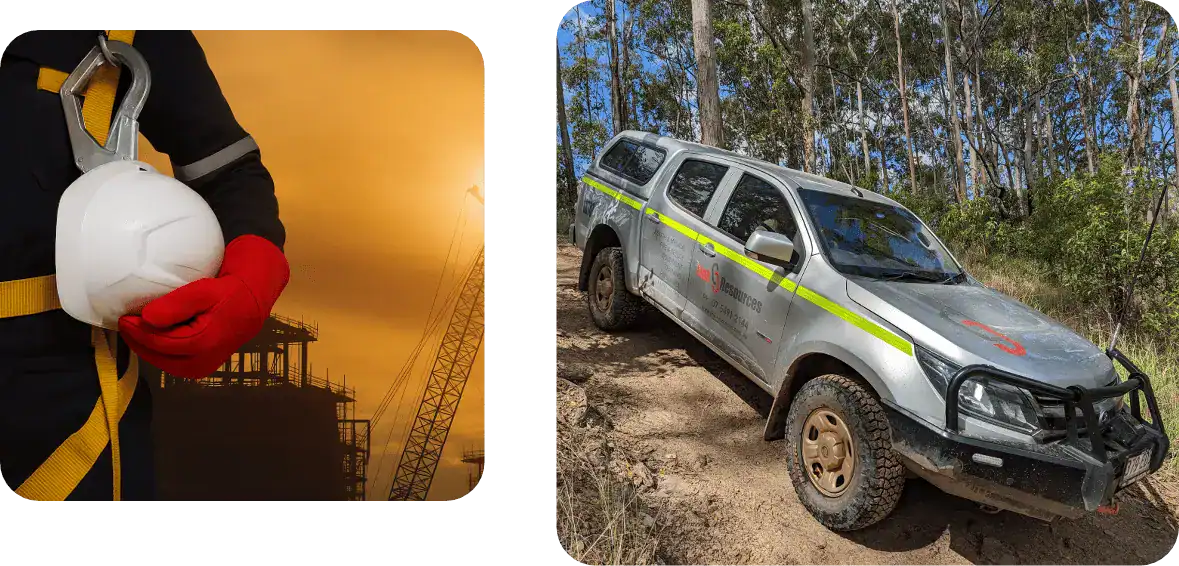

Confined spaces are work areas with limited access or ventilation, not intended for continuous human occupancy. They are common in mining, construction, manufacturing and agriculture. Working in confined spaces carries significant risks, so it is essential to understand their characteristics and how to manage the hazards involved.
What are the Risks in Confined Spaces?
These spaces can be dangerous because they may involve:
- A lack of oxygen
- Combustible substances
- Toxic substances
- Entrapment or engulfment
- Fall hazards
Our Confined Spaces Training helps you identify and control these risks so you are prepared to work in these spaces.
Key Things to Consider
Training and Education
Our training programs cover confined space identification, hazard recognition, safety procedures and emergency response, giving every worker the knowledge to stay safe.
The Right Equipment and Safety Gear
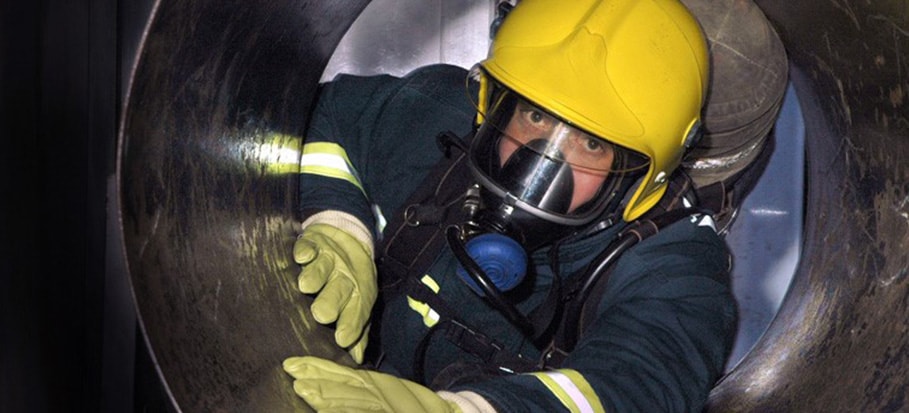
Knowing your safety gear, from respirators to harnesses, and how to use it correctly is essential. This also covers the equipment used to monitor and test the space for accurate, reliable readings.
Periodic Inspections and Testing
Confined space conditions change over time, so regular inspections and testing are needed. Routine checks catch changes early and address risks before they become dangerous.
How to Assess Hazards in Confined Spaces
A hazard is anything that could cause harm to people, property or the environment. A hazard assessment is a systematic process of identifying, evaluating and controlling those hazards. It involves:
- Identifying hazards: recognising potential sources of harm within the confined space.
- Evaluating risks: assessing the likelihood and severity of harm from identified hazards.
- Implementing control measures: applying strategies to reduce risks, such as ventilation, isolation, and personal protective equipment (PPE).
- Monitoring and reviewing: checking that control measures work and adjusting as needed.
Emergency Preparedness and Response
Even with strong preventive measures, emergencies can happen. Being prepared means having a detailed emergency plan, running regular drills and making sure all workers know the procedures. A quick, effective response can save lives.
Managing confined space risks takes a combined approach: thorough training, proper equipment, regular inspections and solid emergency preparedness. Applying these together significantly reduces the risks and creates a safer workplace.
